
[DEMO] Planning cucumber cycles in Haa Dhaalu
How northern atoll growers stagger plantings so buyers see a steadier weekly supply instead of one big glut.
On many Haa Dhaalu plots, cucumber is planted in one push and harvested in one rush. Buyers then see two quiet weeks followed by a flood of fruit that is hard to move before quality drops. Staggered cycles keep beds working and give you something to list every week on AgriLink.
Why stagger matters on small islands
Freshwater, shade net, and boat days to Male' are limited. A single planting date ties your whole harvest to one weather window and one market day. Spreading sowings reduces the chance that rain, heat, or a cancelled ferry empties your cash flow for a month.
A simple four-bed rhythm
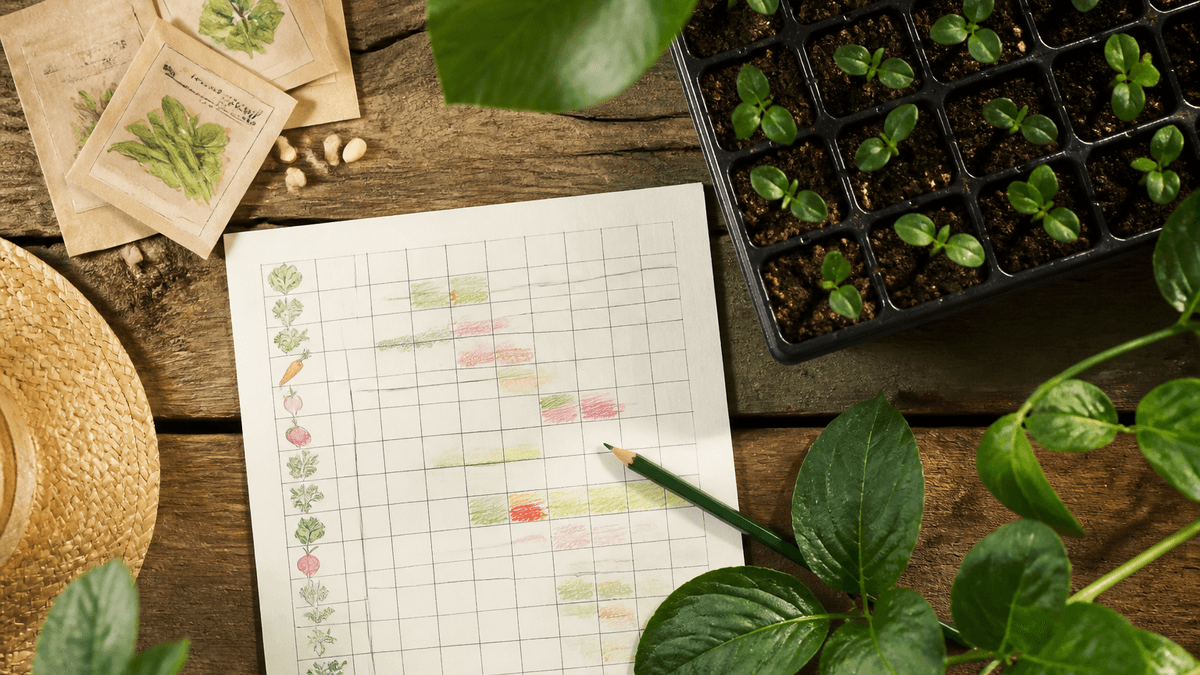
Think of four beds or greenhouse bays as four clocks, not one field.
- Week 1 — sow bed A; transplant or thin once seedlings are sturdy.
- Week 3 — sow bed B while bed A is still vegetative.
- Week 5 — sow bed C; bed A should be flowering or setting fruit.
- Week 7 — sow bed D; bed A enters peak harvest and bed B follows soon after.
By week 9 you can clear and re-sow bed A. The gap between sowings can stretch to three weeks in cooler months, or tighten to ten days when growth is fast — adjust to your island, not to a mainland calendar.
Match listings to the calendar
List upcoming harvests two weeks before the first pick so buyers and resorts can plan. Mark available-now lots only when fruit is ready to cut. Surplus after a storm or a cancelled collection should be labelled clearly so buyers know the quality window is short.
Watch these local limits
- Groundwater and tank water: do not expand cycles faster than your drip schedule can support.
- Salty spray beds: keep new sowings behind windbreaks or farther inland when the monsoon turns.
- Labour: staggered harvests need someone checking beds most mornings — plan who picks before you expand.
Keep a notebook (or a simple phone note) of sow date, first flower, and first harvest per bed. After two cycles you will know your own island timing better than any generic guide.
Related articles
 Water-efficient farming[DEMO] Water-efficient drip basics for island farms
 Post-harvest handling[DEMO] Keeping leafy greens cooler after harvest